Specialists in wind turbine noise reduction
Reducing noise to realise the potential of your turbines
A new class of blade technology and advanced diagnostics
to reduce wind turbine noise, built on a decade of TU Delft research.
The problem
Wind energy growth is held back by noise


Noise-constrained
Not constrained
Unknown
German wind parks in development with turbines having rotor diameter ≥ 160 m (source: Marktstammdatenregister, July 2026).
lost AEP per year due to
noise curtailments globally
Noise regulations limit where turbines can be built, how large they can be, and how much energy they produce. These constraints are becoming tighter as the buildout of onshore wind continues while the sites where noise is not an issue decrease.
In Germany, Europe’s largest onshore market, around 80% of new turbines will operate in noise-curtailed modes. The total capacity of noise-constrained turbines is expected to double to 60 GW in the coming five years. Our modelling suggests that globally, noise-related curtailment reduces onshore wind’s annual energy production by 11 TWh, costing around €700 million a year.
Reducing turbine noise is crucial to unlock the potential of onshore wind energy. A turbine that is quieter by design provides tangible direct benefits for OEMs and asset owners & operators: higher competitiveness, better wind park economics, increased turbine lifetime returns, and strengthened relations with local communities.
MuteSkin®
A new class of wind turbine noise reduction technology
up to
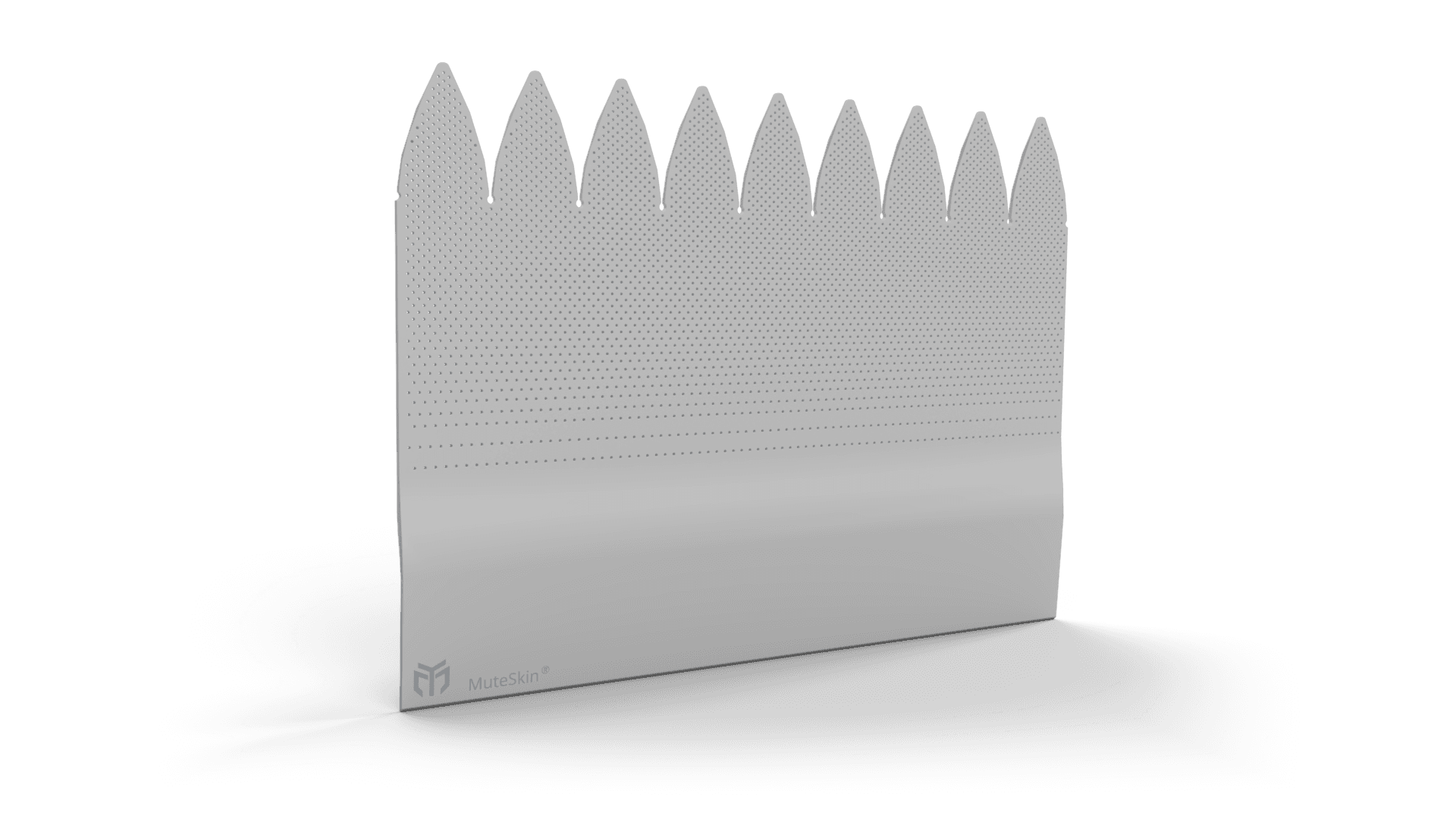
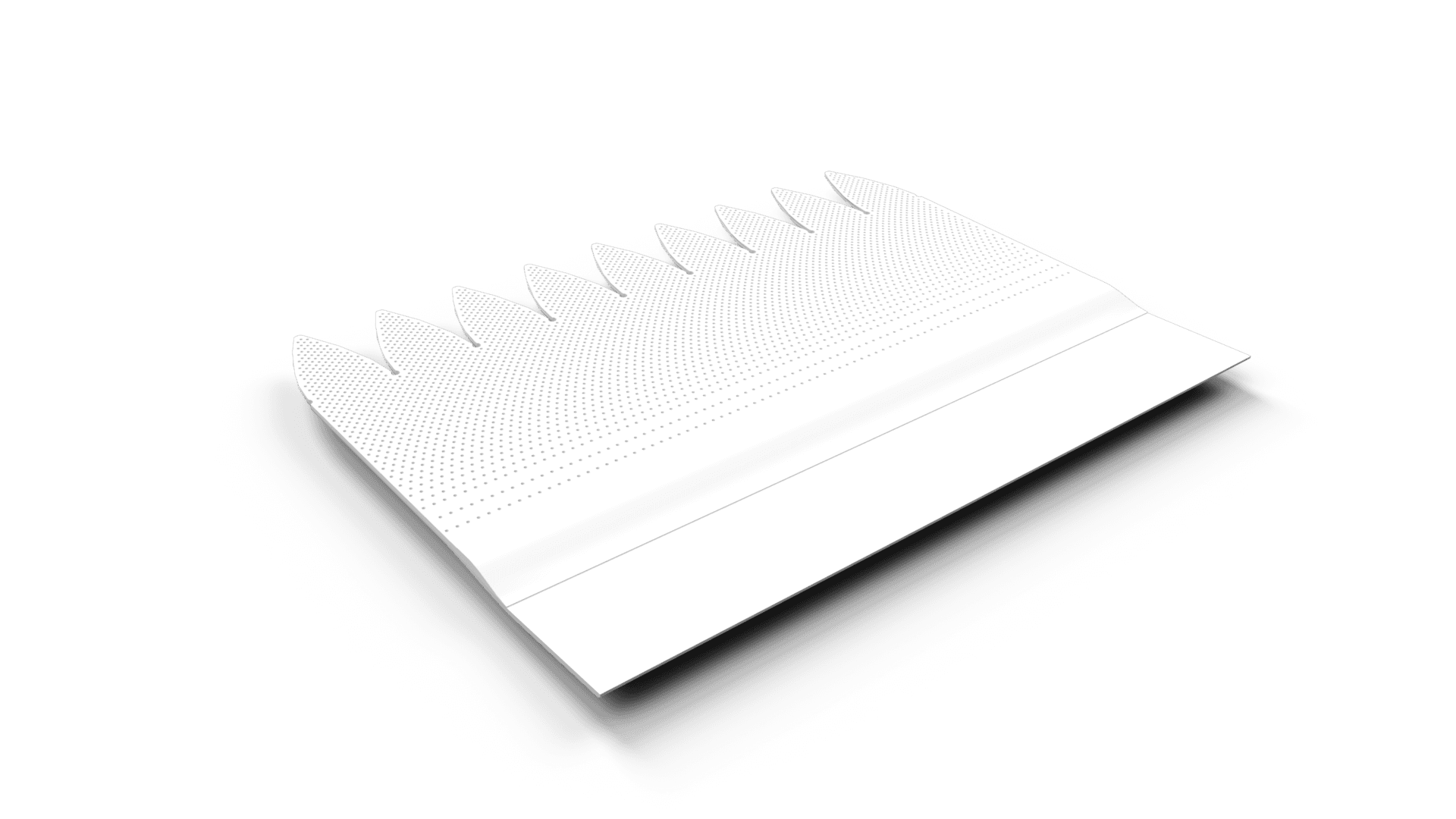
MuteSkin® reduces wind turbine noise by up to 3 dB(A) compared to trailing-edge serrations, the current industry standard. It uses controlled permeability to reduce the noise generated when turbulent airflow passes the blade’s trailing edge, typically the dominant source of turbine noise.
On noise-constrained turbines, this additional reduction can enable up to 8% more annual energy production (AEP). It can be applied to both new and existing turbines with the same simple installation and passive operation of conventional trailing-edge add-ons.


MuTech Acoustic Insights™
Key insights to reduce wind turbine noise
Standard IEC noise measurements provide an overall picture of a turbine’s noise performance. They rarely give an understanding of the underlying acoustic sources or how to address them. This lack of insight limits the ability to adopt solutions and reduce turbine noise.
MuTech Acoustic Insights™ offers advanced acoustic measurement and analysis services to identify noise sources, assess reduction approaches, and help clients implement solutions. We work with turbine manufacturers and operators on both prototypes and turbines already in service.
Company
Built around wind turbine noise

MuTech is a technology company dedicated to understanding and reducing wind turbine noise. Originating from more than a decade of aeroacoustics research at TU Delft, our team combines advanced measurement, engineering, and product development to bring the latest research to the field through practical solutions with direct impact.