
The problem · Wind turbine noise
The trend
Rising scrutiny of noise is impacting onshore wind.
Noise pollution is gaining attention as a public health issue now that its severity is better understood. The World Health Organization (WHO) has ranked environmental noise second only to air pollution among Europe’s environmental health risks. The European Environment Agency attributes about 66,000 premature deaths a year to transport noise. In 2018 the WHO named a level for wind turbines for the first time, conditionally recommending that their noise stay below 45 dB Lden.
Across Europe the rules a wind project must clear are getting harder to satisfy, and passing them often means sacrificing power output. Public pushback now reaches the courts, assessment methods have been made more stringent, and specific characteristics of turbine noise carry penalties of their own. The pressure follows the build-out of onshore wind. As more turbines are sited closer to people, more countries are revisiting the rules that govern them.
Select a country for detail
European Environment Agency, Environmental noise in Europe 2025, for the transport-noise figure; WHO Regional Office for Europe, Burden of disease from environmental noise (2011), for the ranking, and Environmental Noise Guidelines for the European Region (2018), for the 45 dB Lden recommendation.
The scale
Europe’s largest onshore market is running out of sites without noise constraints.

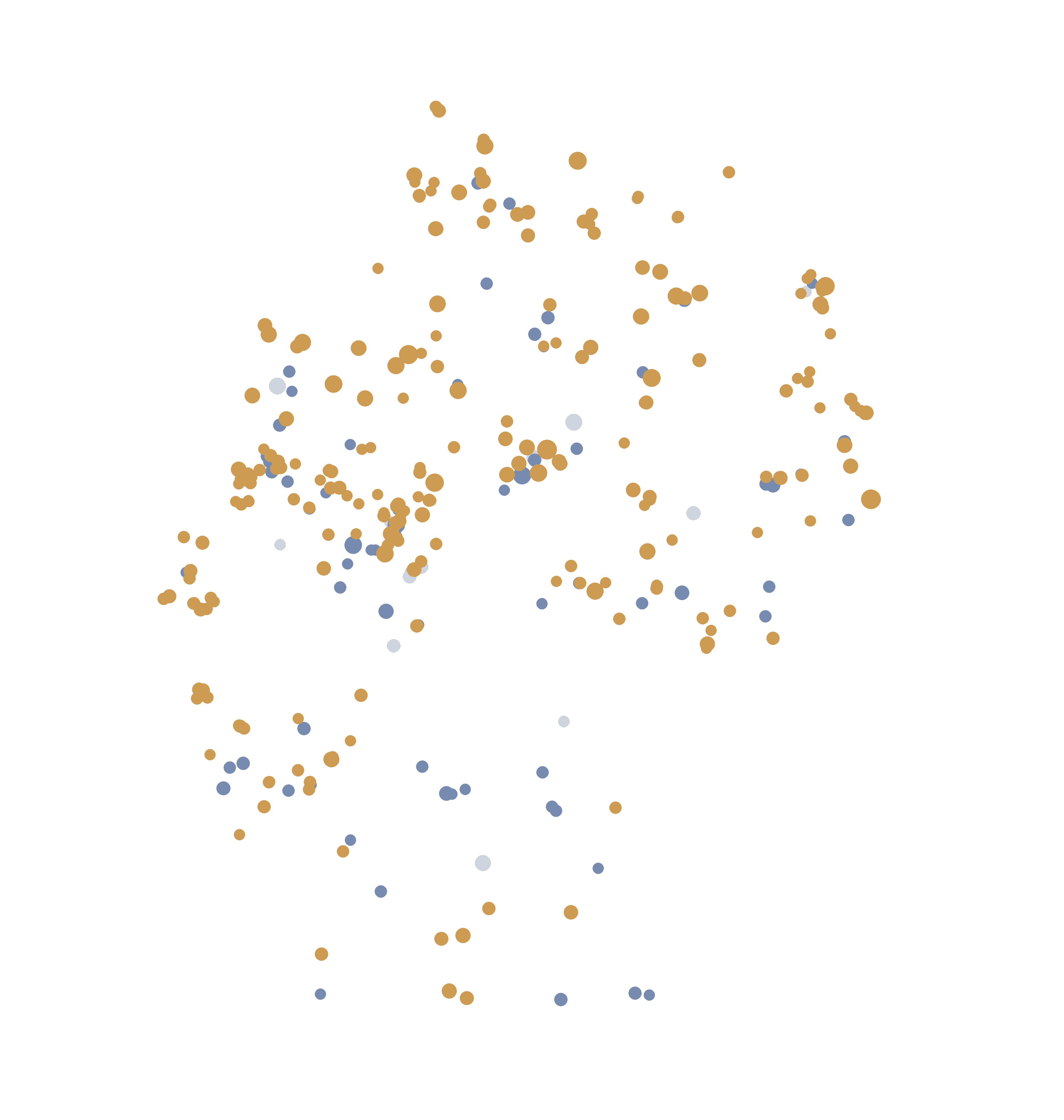
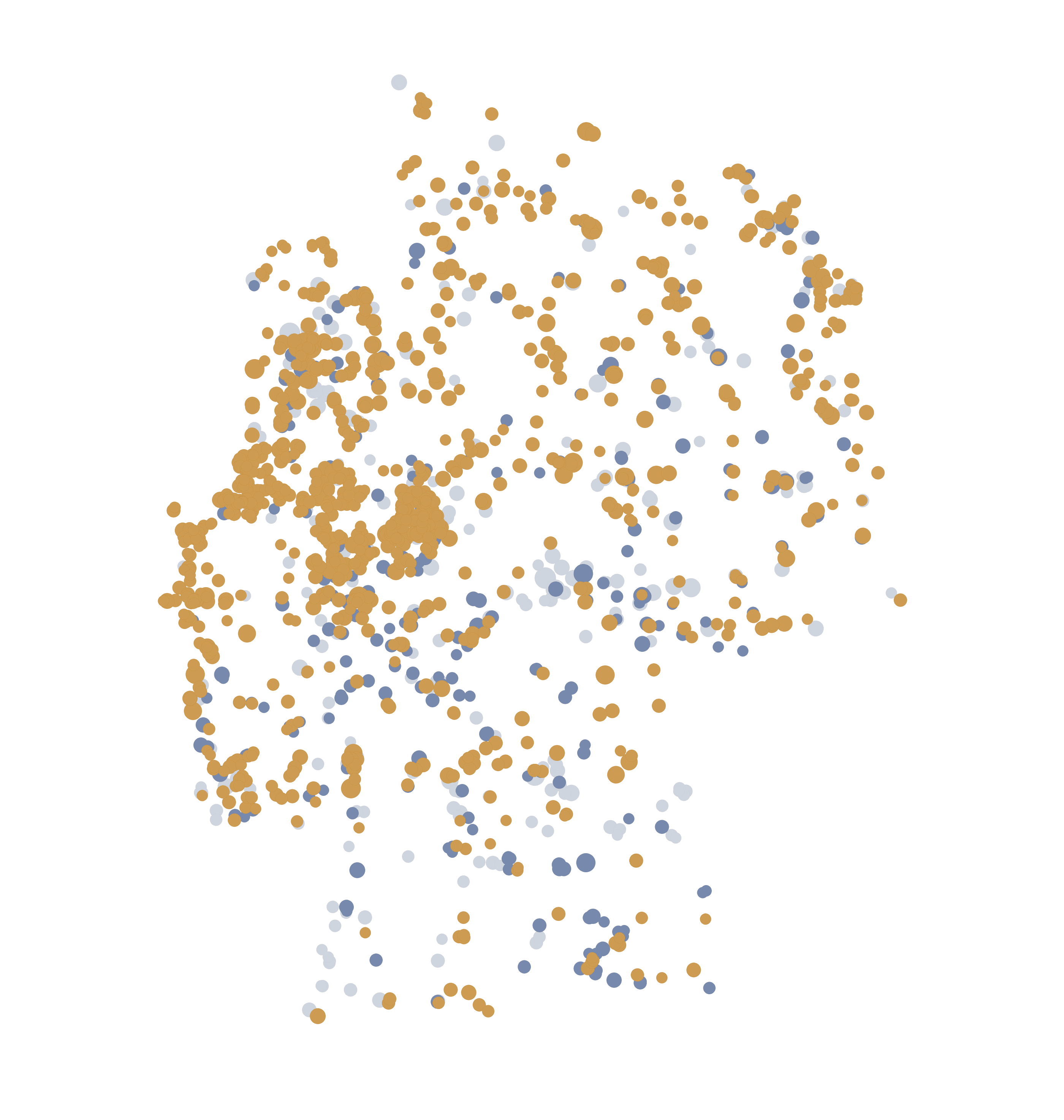
German wind parks with turbines having rotor diameter ≥ 160 m.
Sources: Marktstammdatenregister (MaStR) for built and permitted wind farms (July 2026). WindEurope for expected build. Noise-constrained means a registered noise-related operating restriction. Percentages are based on turbines with a recorded noise status.
The cost
Every decibel has a price.
The impact
From tender to lifetime yield, noise constrains the outcome.
PROJECT DEVELOPMENT
Which sites will receive permits
Which tenders are winnable
BUILDABLE CAPACITY
How densely a park can be built
Which sites a platform can serve
TURBINE ECONOMICS
What the asset can yield
What a buyer will pay
A turbine that is quieter by design improves every one of these outcomes at once.
The gap
Current solutions are plateauing. The industry needs a new approach.
Serrations are the default blade component for reducing turbine noise. In commercial use since the early 2010s, they typically deliver 2 to 3 dB(A) of noise reduction on an operating turbine. Successive refinements of the geometry have given incremental gains over time. After fifteen years, this class of technology is at risk of reaching its performance ceiling.
The rest of the noise reduction required to meet noise limits currently comes from noise-reduced operating modes. This constraint costs power at roughly 3% of AEP per dB(A). In an increasingly noise-constrained market, reclaiming this AEP requires a new approach to reducing noise by design.
The solution
A new approach to reducing noise and reclaiming AEP.
Built on a decade of aeroacoustic research at TU Delft, we have developed a new class of technology for wind turbine noise reduction.